Clapp Weekly: Tariff & AI scare, BTC's 2022-style slide, CLARITY Act in limbo

BTC price
Bitcoin bounced to $65k yesterday as sellers stepped back. The uptick followed a broader rebound in risk assets, after four days of decline fueled by Trump's tariff chaos and Iran war fears. A softer greenback supports the recovery. However, the BTC-USD relationship has been inconsistent in this cycle, and analysts cite a crisis of confidence.
The BTC price dipped from $68k to $65,893.78 on Thursday, February 19, and reversed to a high of $68,624.36 as the weekend began. On Monday, February 23, it sank sharply from $67.5k to $64.5k, edged up, and dipped again before bottoming at $62,905.75 the next day.
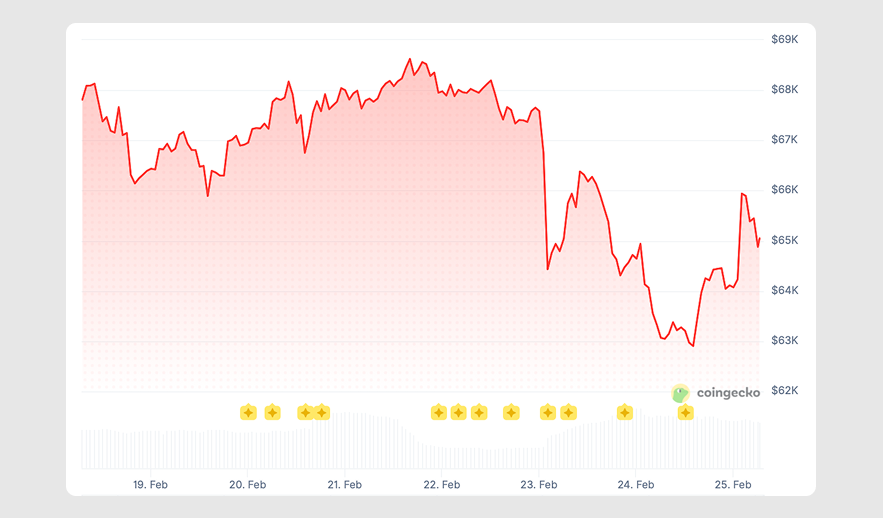
Currently at $65,438.30, BTC has gained 3.4% over the past 24 hours with a 7-day loss of 3.0%.
ETH price
Ether is showing early signs of recovery — selling pressure has subsided with HODLers turning buyers, but derivatives signals are still bearish. Vitalik Buterin's weekend sale of roughly $3.67 million worth of ETH rekindled fears of further downside, though the February total ($16 million) represents just 0.1% of ether's typical daily trading volume.
ETH followed BTC closely through the week, initially plunging below $2k to $1,918.56 on Thursday, February 19, and failing to recover. On Monday, February 23, it plunged to $1,862.92, managed a brief uptick, and sank deeper to $1,815.54 the next day before rebounding.
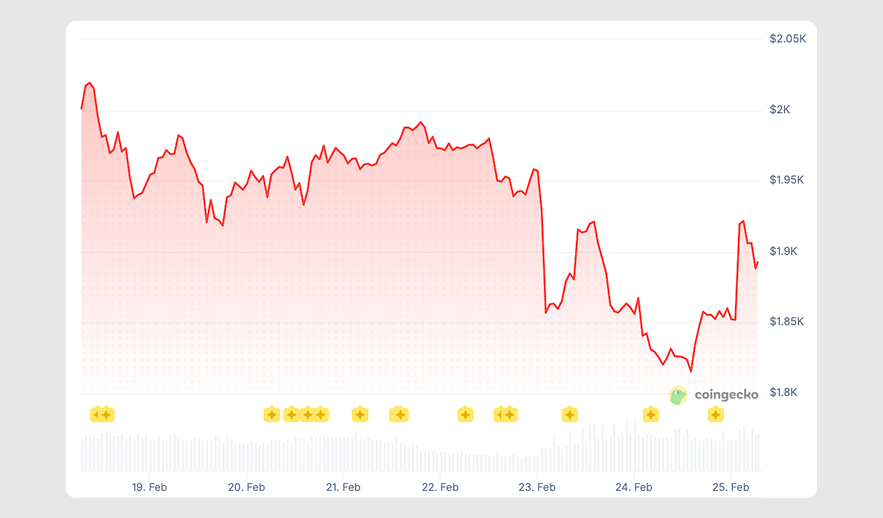
Currently at $1,905.43, ETH has gained 4.9% over the past 24 hours but lost 4.6% over the past 7 days.
Seven-day altcoin dynamics
Major tokens are tracking Bitcoin higher after President Trump's renewed tariff threats and Iran war fears battered risk appetite. The Fear & Greed Index, now at 10/100, dipped back to 5/100 on Monday, February 23, when the market shed over $240 million in leveraged longs and ETF outflows accelerated the selloff.
Major tokens still lag BTC on a relative basis, with sell-side pressure hitting five-year highs, per CryptoQuant data. Accumulation is clustered in large-cap coins, and holders are actively distributing — accounting for the slow downturn without dramatic liquidation waves that would attract dip buyers.
Tariff jitters return
Over the weekend, Trump raised a proposed global tariff rate from 10% to 15% via a Truth Social post, days after the US Supreme Court struck down his earlier emergency tariffs. He quickly moved to reinstate them under Section 122 of the Trade Act of 1974, citing balance-of-payment concerns.
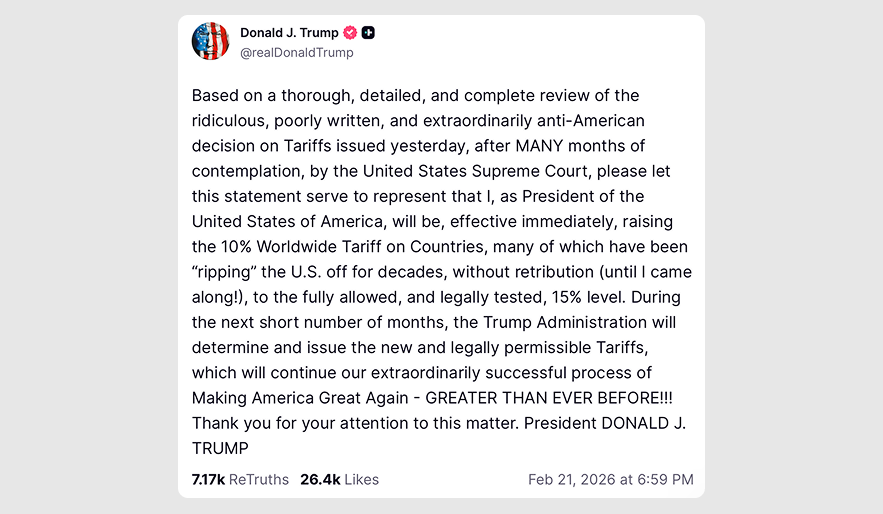
While gold and silver held firm and Asian stocks traded higher in early sessions, crypto sold off sharply. Bitcoin continues to trade like a high-beta risk asset, highly sensitive to political headlines.
AI scare trade
AI dynamics are impacting crypto indirectly by drawing from the same pool of risk capital. This "AI scare trade" is being fueled by fears of economic disruption from artificial intelligence, a scenario described in a Citrini Research report that went viral. The note triggered a downturn in software, payment, and delivery stocks.
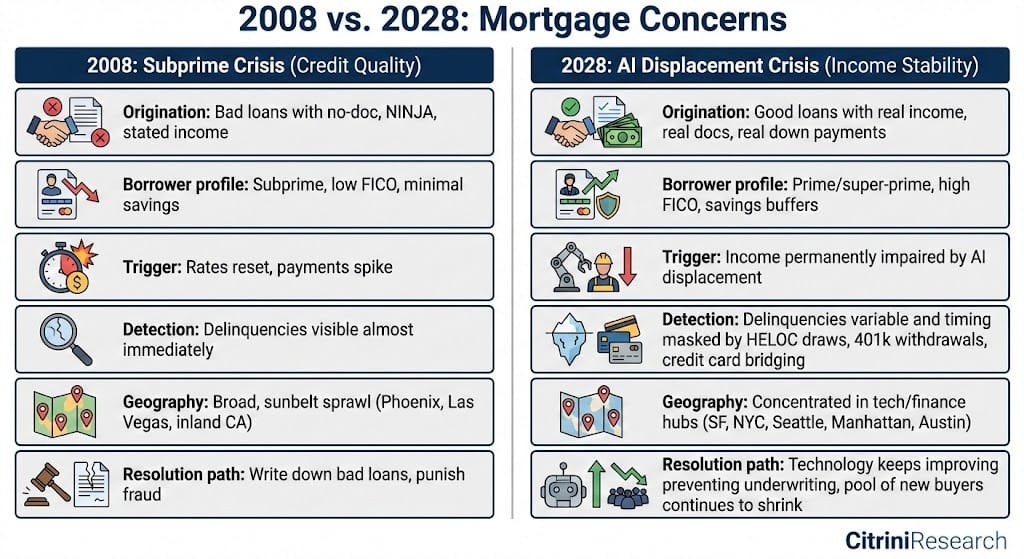
Investors reassessed which businesses benefit from AI and which could be displaced — a broad risk recalibration that hit crypto because of its sensitivity to liquidity and positioning shifts. The report triggered cross-asset de-risking.
Seven-day winners
- PIPPIN (+79.9%) rallied as Bitcoin stumbled, showing strong speculative interest remains. However, market watchers say this strength may stem from an artificial pump rather than organic demand.
- KITE (+22.6%) has outpaced other AI tokens, supported by renewed retail demand reflected in open interest. The AI payments narrative, backed by institutions like PayPal and expansion to other chains, is fueling the upswing.
- DCR (+19.9%) soared on its scarcity narrative, defying the broader bearish slide. Roughly 27% of the circulating supply is currently liquid, according to Decred. For every single token on the open market, 2.7 DCR are locked by holders, as staking rewards incentivize retention.
Seven-day losers
- PUMP (-21.0%) is feeling the heat from rumors about an insider trading investigation, adding to the broader pressure. While the platform spent $1 million daily on buybacks, Pump.fun wallets dumped $10 million worth of PUMP at a loss between February 16 and 22. Traders wonder if those holders know something regular users do not.
- ZEC (-20.0%) has followed the broader market weakness, although analysts highlight renewed confidence, demand, and improving technical conditions.
- ARB (-18.3%) has ignored positive revenue generation news, with $41.8 million in capital exiting the ecosystem in just 24 hours over the weekend. The token is trading below its historic lows despite resilient daily transactions and active addresses, in a disconnect from on-chain activity.
Cryptocurrency news
$62K BTC reveals conflicting signals as demand shrinks
Bitcoin's slide to $63k — a 50% drop from October's all-time high of $126,080 — has left the market grasping for explanations. But look closer, and the data tells two very different stories about who's buying, who's selling, and what comes next.
US demand vacuum — and not just temporary
The Coinbase Bitcoin Premium Index has now been negative for 40 consecutive days — the longest streak since 2023. That means American investors are consistently paying less for BTC than the rest of the world. Either they're selling harder, or they're simply not showing up.
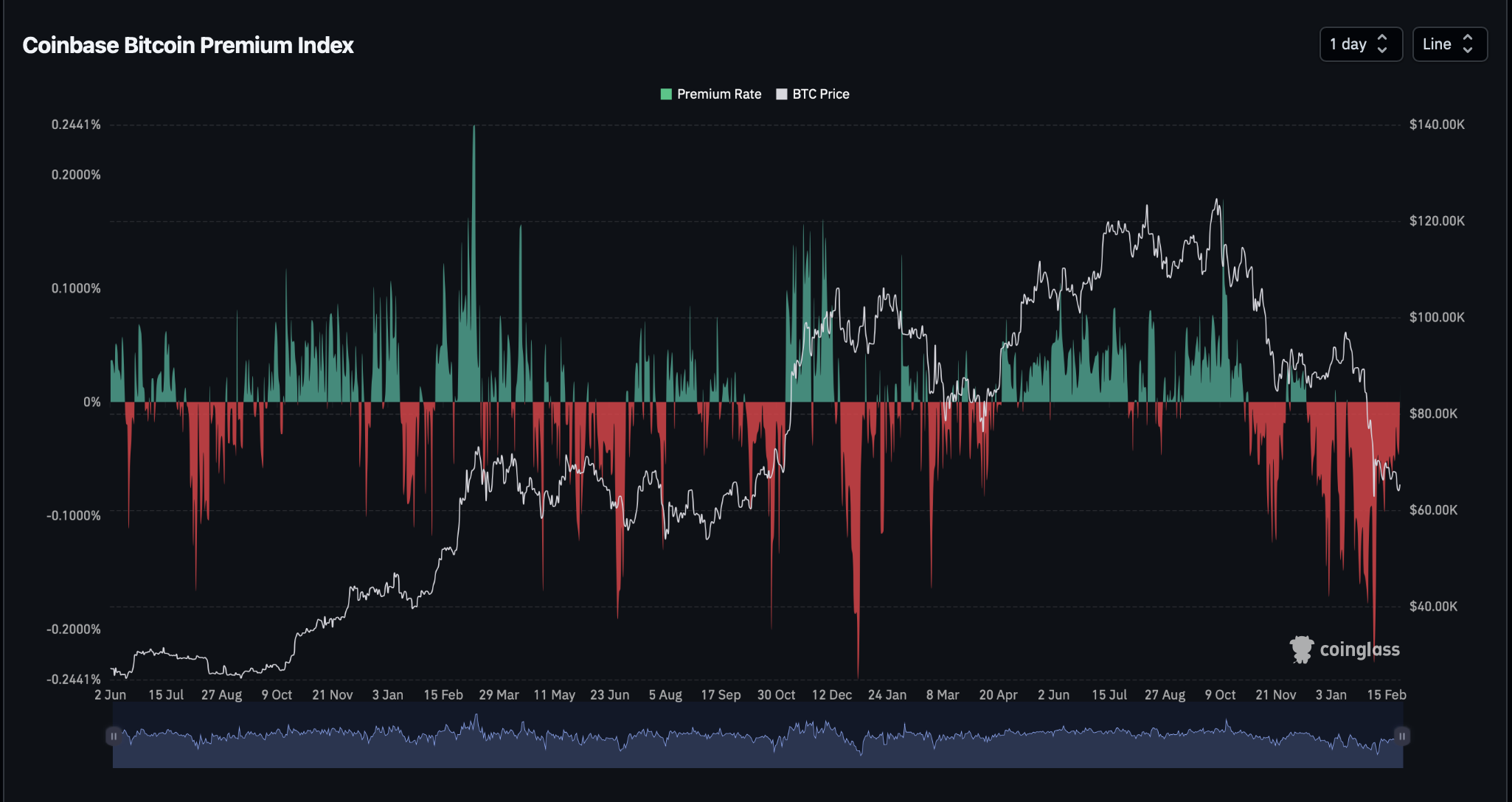
This isn't just a temporary pause. The index briefly narrowed in early February, suggesting US buyers might step in near the lows. They didn't. The premium never flipped positive. Whatever buying drove BTC's 15% rebound came from outside US hours, outside Coinbase's order books, or both.
Adding to the picture: Google searches for "Bitcoin zero" in the US hit record highs this month, even as global interest remained flat. American conviction, it seems, is cracking in a way it isn't elsewhere.
Dip buyers who didn't blink
Yet someone has been buying. Glassnode data reveals over 400,000 BTC accumulated between $60k and $70k during this downturn — a 43% surge in supply clustered in that range since January. More than 8% of the non-exchange circulating supply now has a cost basis within these levels.
This is methodical accumulation, likely from entities comfortable weathering volatility. The $70k-$80k zone, by contrast, has been described as an "air pocket" — thinly traded territory that Bitcoin blew through in just five days on its way down.
Macro tightrope
Tuesday's State of the Union address offered a brief reprieve, with BTC jumping $2k ahead of Trump's speech before settling back near $65,500. But traders caution against reading too much into the move.
Derek Lim, head of research at Caladan, attributes the uptick to "a combination of risk-on positioning ahead of Nvidia earnings and a relief bounce off the tariff and Supreme Court chaos from the prior week." The speech itself, he notes, had "far more direct market relevance" elsewhere.
The Nvidia earnings due today may ultimately matter more. With both equity and crypto markets positioning around the event, it's the kind of catalyst that tests whether BTC's correlation with traditional risk assets remains intact.
Where that leaves us
So which is it — a market abandoned by US investors or one quietly building a foundation? The answer may be both. The premium index suggests American institutional appetite has structurally weakened. But the accumulation between $60,000 and $70,000 points to longer-term believers using the dip to build positions.
For now, BTC sits between these narratives: unloved at home, accumulated abroad, and waiting for the next catalyst to decide which story wins.
Washington holds its breath: CLARITY Act odds just plunged
For crypto traders clinging to the hope that Washington might throw a lifeline, the numbers just got a lot less comforting.
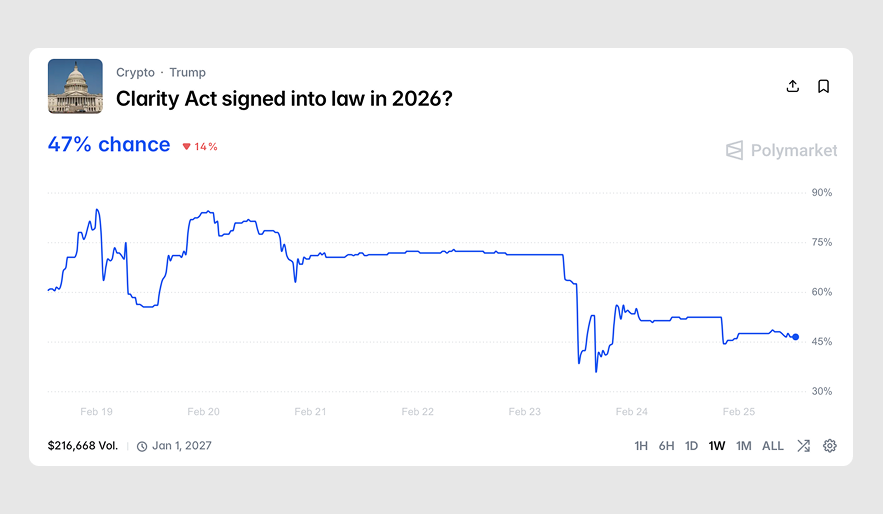
The probability of the CLARITY Act — the long-awaited bill creating a federal framework for digital assets — becoming law this year has fallen below 50% on Polymarket, down from over 80% just last week. In a single day, the odds cratered from 72% to 42%, signaling that market confidence in a near-term resolution is rapidly evaporating.
What's the hold up?
The core disagreement comes down to stablecoin yields — and a classic battle between crypto natives and traditional banks.
- Crypto firms want to preserve features like programmability and rewards for stablecoin holders.
- Banks, represented by groups like the American Bankers Association, worry that high-yielding stablecoins could pull deposits out of the traditional system, weakening lenders and creating economic risk.
Crypto supporters see it differently. In their view, banning yield gives banks unfair control over people's savings and stifles innovation. It's a philosophical clash with billions of dollars — and the future of US crypto regulation — hanging in the balance.
White House steps in
The White House has now taken direct control of the negotiations, setting a firm March 1 deadline. Patrick Witt, executive director of the President's Council of Advisors for Digital Assets, struck an optimistic tone after last week's talks, saying the gap between both sides has "shrunk considerably."
"I believe if we solve this, it's going to start a domino effect here, and I think things could move pretty fast once it's resolved," Witt said.
But skepticism runs deep. The latest draft reportedly includes strict penalties — fines up to $500,000 per day — for companies trying to disguise interest as "rewards," suggesting regulators are focused on tight control rather than a soft compromise.
Why this matters now
Bitwise CIO Matt Hougan recently called the CLARITY Act the "clearest event" that could spark a "V-shaped recovery" in crypto markets. Its passage, Bitwise argued in its 2026 outlook, would provide regulatory certainty that survives election cycles — potentially unleashing a bull run that would, in the firm's words, "melt faces."
Instead, Bitcoin sits around $65,000, crypto stocks are beaten down, and traders are watching Washington with a mix of hope and dread.
Some leaders remain bullish. Ripple CEO Brad Garlinghouse predicted this week that the bill could pass as early as April. But on Polymarket, the crowd is betting otherwise. Senator Tim Scott has yet to reschedule a key meeting, and with the March 1 deadline looming, time is running out.
For the crypto community, it's another lesson in patience. Washington giveth, and Washington delayeth. The question now is whether the dominoes finally fall — or whether the industry remains stuck in legislative limbo, waiting for clarity that never quite arrives.