


Why Smart Investors Open a Ethereum Credit Line Instead of Selling
Selling your Ethereum is a taxable event that kills your long-term position. A Clapp Ethereum Credit Line is a wealth management tool designed for the modern HODLer.
Avoid Capital Gains Tax
When you sell ETH for profit, you pay taxes. When you borrow against it via a credit line, you get tax-free liquidity (debt is generally not considered income).*
Keep Your Upside
If Ethereum hits a new All-Time High, you still own the asset. You profit from the growth, even while you spend the cash today.
Revolving Access
Unlike a standard Ethereum loan, our credit line stays open. Repay and re-borrow as often as you like without filling out new forms.

The Most Flexible Ethereum Lending Platform
Calculate Your Ethereum Credit Limit
- Estimated Total Credit line
- —
Clapp Credit Line Beats Any Crypto Loan
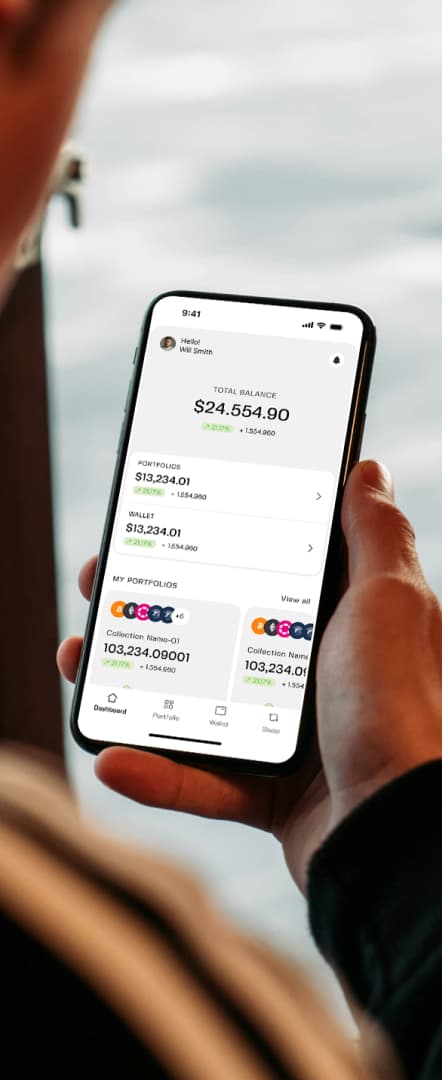
Clapp’s credit lines are always on hand, rising along with your balance. Only pay for what you use and access funds instantly — all while keeping your assets working for you.
Access 24/7 support
Need help? Clapp’s expert team is ready to assist anytime, ensuring your experience is smooth and hassle-free.
Frequently Asked Questions about Ethereum Loans
Is borrowing against my Ethereum a taxable event?
Borrowing against your assets is generally not a taxable event, meaning you can access liquidity without triggering capital gains. Consult a tax professional in your jurisdiction.
What does an open but unused credit line cost?
Interest only accrues on the funds you actually draw. An open but unused line costs 0%. T&C apply.
How is my borrowing rate determined?
Your borrowing rate is floating and tied to your LTV — lower risk means a lower rate.
What happens if my LTV gets too high?
Smart alerts notify you if your LTV nears critical levels, giving you time to top up collateral.
Who provides Clapp's services?
We operate through a broad group structure that includes an EU entity pursuing MiCA authorisation, alongside other licensed and operational entities in the jurisdictions where we provide services. The relevant services continue to be delivered through the applicable entities and regulatory frameworks.