Don't lose it all — 5 trading mistakes that wreck crypto portfolios

Crypto can be thrilling, but it’s also unforgiving. One wrong move can wipe out months — even years — of gains. Many traders don’t lose because of the market alone; they lose because of avoidable mistakes. Here’s a guide to the biggest traps and how to protect your portfolio.
TL;DR
- Research every project before investing. Don’t follow hype blindly.
- Manage risk: diversify, set stop-losses, and never overexpose yourself.
- Keep expectations realistic; don’t chase quick riches.
- Protect your assets with strong security measures.
- Patience and discipline outperform impulsive moves.
#1 Don’t chase hype — do the work
The price shoots up and suddenly you’re all in, only to watch it tank. Jumping into hype-driven moves almost always backfires. Fear of missing out (FOMO) makes investors buy peaks, right before sharp corrections.
And watching a video promising the “next 100x gem” isn’t research. Entering a project without understanding its fundamentals — team, use case, market potential — is how portfolios bleed slowly.
Think independently. If everyone’s talking about it, the easy money is probably gone. Don’t just copy-paste opinions from crypto X.
Before you enter any position, check:
- Tokenomics: capped supply or constant inflation?
- Team & roadmap: are they actually shipping?
- Utility: real use case or recycled buzzwords?
- Community & dev activity: building or stagnating?
Then look at the chart.
- Let the dust settle. Wait for a solid pullback.
- Look for confluence — volume, support levels, broader trend.
#2 Don’t expect jackpots — set achievable goals
Crypto moves fast, but turning $500 into $5 million in a year, let alone in a week, is fantasy. Expecting instant profits leads to emotional trading, chasing pumps, and ultimately losses. Focus on compounding gains and respect the game: patient, prepared traders consistently outperform the impulsive.
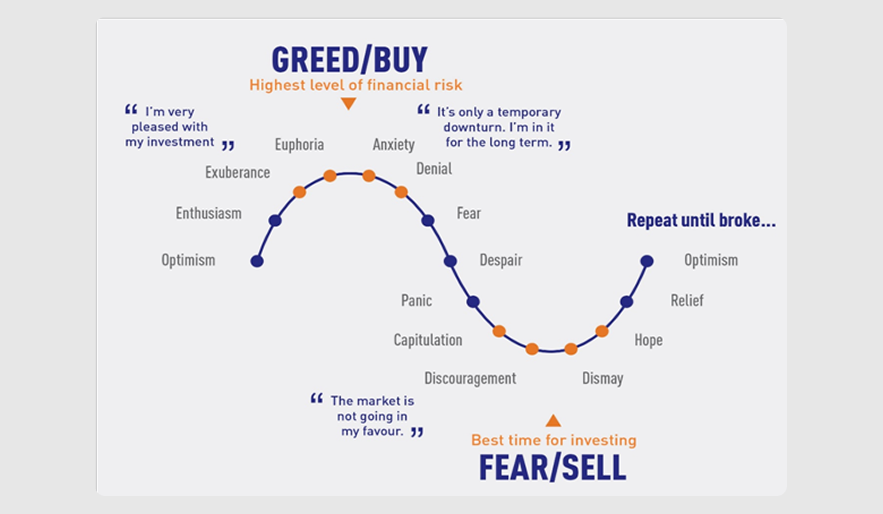
Greed drives the market. It fuels speculation, inflates trading volumes, and tempts investors to HODL too long or chase quick gains. Not all unrealized profits are “diamond hands” — ignoring exit points can erode your portfolio over time.
Practical ways to keep greed in check:
- Set realistic targets and automate them. Define exit points in advance (e.g., sell 25% at 50% profit) so you capture gains without overthinking.
- Use ladder take-profit strategies. Take portions off the table at predetermined multiples (2x, 5x, 10x) to lock in profits while keeping some exposure.
- Leverage automated orders. Trailing stops and take-profit orders reduce emotional decision-making.
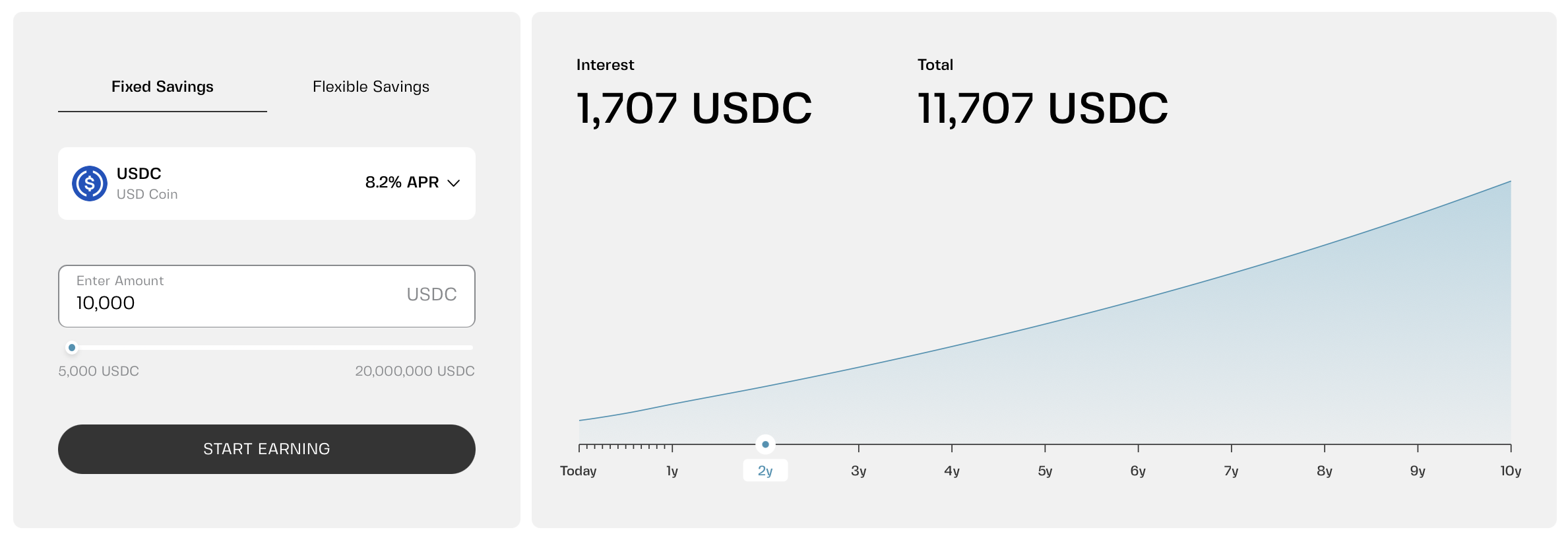
- Reinvest wisely. Move profits into safer assets or stablecoins rather than chasing the next high-risk token. Stablecoins don’t have to sit idle — you can earn yield. For example, CeFi savings products like Clapp Savings let you choose between fixed-term deposits with up to 8.2% APR or a flexible option that compounds daily while maintaining 24/7 instant access.
#3 Don’t cling to tokens — fall in love with strategy
Emotional attachment to underperforming coins is dangerous. “This one’s just sleeping” is rarely true.
Not only do you physically own the tokens — the ownership is also psychological, and it hijacks your decisions. Brands exploit it to drive customer loyalty, word-of-mouth referral, and willingness to pay — or, in the case of crypto, willingness to lose.
When you tie your identity to a crypto community, it’s easy to overvalue your holdings. If a position is hurting your portfolio, it’s time to cut it loose.
- Don’t get religious about projects.
- Cut tokens with no momentum or poor fundamentals.
- Fall in love with your strategy, not your holdings.
#4 Don’t overexpose yourself — diversify & manage risk
Putting 100% of your net worth into crypto is gambling. When volatility peaks, one mistake can devastate your portfolio.
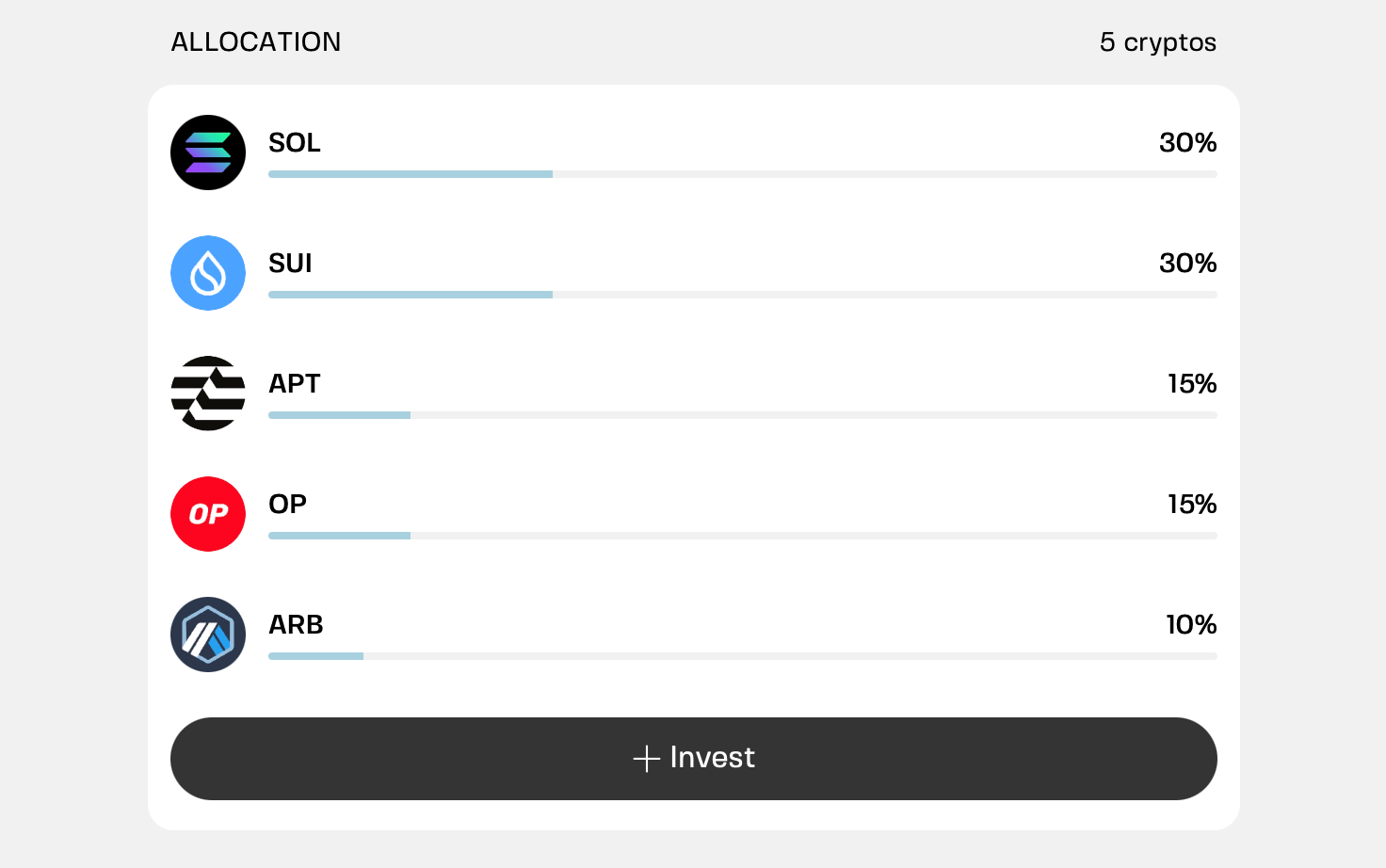
Spread your investments. Diversify across stablecoins, blue-chip crypto like BTC and ETH, and smaller altcoins. You can even include non-crypto assets if your risk tolerance is low. Diversification reduces the blow if one asset tanks.
Shift allocations during downturns. In a crypto winter, move the majority (80–90%) into core assets and limit high-risk bets to what you can afford to lose. Keeping 20%–30% in stablecoins protects purchasing power, letting you adjust positions, seize opportunities, or cover expenses without forced selling.
Other tips:
- Use risk-adjusted position sizing. Bigger risk = smaller allocation; smaller risk = bigger allocation.
- Leverage stop-losses and automated orders. Trailing stops, limit orders, and pre-defined exits remove emotion from trading.
- Plan for drawdowns. Markets move in cycles. Decide in advance how much loss you can tolerate without panic-selling. Being mentally prepared keeps decisions rational during crashes.
- Monitor correlations. When some tokens move together, spreading capital across them can give a false sense of safety. Make sure you are not compounding risk.
Use the right tools: platforms that track target allocations and monitor diversification take much of the guesswork out. Clapp lets you compose portfolios and observe performance across allocations — letting strategy, not emotion, drive your decisions.
More tips in our guide to surviving crypto winters.
#5 Don’t leave your crypto unprotected — secure it like gold
Crypto is high-risk not just for market moves but also for hacks and scams. Weak security can destroy a portfolio overnight.
Use wallets and platforms with multi-layered safeguards: private keys should never exist in one place, sensitive operations should require multiple approvals, and suspicious activity should be automatically flagged or blocked. For extra safety, consider keeping a portion of your holdings offline in a hardware wallet.
- Always set two-factor authentication (2FA).
- Use platforms that undergo rigorous audits and adhere to recognized standards like CCSS (CryptoCurrency Security Standard), SOC 2 or ISO 27001.
- Look for robust cloud infrastructure, strong firewall and DDoS protections.
- Avoid using public Wi-Fi for transactions — all connections should be encrypted to prevent interception.
Platforms that combine these practices protect your funds and reduce stress. For instance, Clapp splits private keys across isolated devices, requires multi-party approvals for withdrawals, and encrypts all data with continuous monitoring — a strong choice for security-conscious investors.
Discipline beats impulse
Avoiding mistakes is often more important than chasing gains. Research, patience, realistic expectations, and strong security are the foundation of a healthy crypto portfolio. In the long run, discipline beats impulse, and surviving intact beats reckless excitement.
Frequently asked questions
1. Can I make huge profits in crypto quickly?
No shortcuts exist. Crypto markets are volatile, and big gains are rarely predictable. Focus on compounding small wins, sticking to a strategy, and avoiding impulsive decisions driven by hype or FOMO. Patience beats luck.
2. How much of my portfolio should I put in crypto?
Don’t overexpose yourself. Diversify across stablecoins, blue-chip crypto like BTC and ETH, smaller altcoins, and even non-crypto assets if your risk tolerance is low. Only invest what you can afford to lose — your portfolio should survive swings without forcing panic sells.
3. How do I know if a crypto project is legit?
DYOR — do your own research. Check tokenomics, team credentials, roadmap, and real-world utility. Monitor developer and community activity: stagnant projects are red flags. Avoid decisions based on social media hype or viral “next 100x gem” videos.
4. Can I make money with stablecoins?
Yes — while stablecoins aren’t designed to appreciate, you can earn steady yield by putting them to work. Centralized platforms like Clapp offer fixed-term deposits or flexible accounts with daily compounding and 24/7 access. DeFi protocols can also generate interest, but they carry smart contract risks. Choose a platform with strong security and transparent terms.
5. How can I protect my crypto from hacks and theft?
Use wallets and platforms with multi-layered protections, enable two-factor authentication (2FA), and avoid public Wi-Fi for transactions. For extra safety, it’s recommended to keep a portion of your crypto holdings in a hardware wallet disconnected from the internet. Combining these practices reduces risk and lets you focus on your strategy rather than fear.