






What Makes a Good Crypto Card
The best crypto card is the one that fits how you spend. Someone paying for groceries every week needs predictable fees and a phone wallet. Someone traveling needs wide acceptance and clear currency conversion.
Most comparisons rank cards by cashback or design. A safer way is to start with the basics that affect every payment: the full cost, what the card spends, whether you can get it where you live and how it protects you.
Crypto Card Checklist
| What to check | Why it matters | Clapp Crypto Card |
|---|---|---|
| Full cost | Issuance, monthly fees and the conversion fee or spread at checkout decide what each payment really costs. | One-time $9.99 issuance, no monthly fees. No conversion fee on purchases in US dollars, 1% foreign exchange fee in other currencies. |
| What the card spends | Some cards sell volatile crypto at every purchase, others spend stablecoins. This affects how predictable each payment is. | Spends your USDT or USDC balance. You switch between the two in the card settings. |
| Availability | Many cards are limited to certain countries. Check that residents of your country can apply before you compare anything else. | Supported countries in Europe and the UK. Not offered in the US. |
| Network and acceptance | The card network decides where you can pay, online and abroad. | Visa, accepted at more than 150 million merchants in 150+ countries. |
| Mobile wallets | Apple Pay and Google Pay let you pay contactless with your phone without carrying a card. | Works with Apple Pay and Google Pay. |
| Virtual or physical | A virtual card is issued instantly. A physical card takes time to deliver. | Virtual Visa card, issued instantly in the app. |
| Security | Security controls protect you if a card is lost or misused. | 3D Secure where applicable, card details shown only after a security check in the app, real-time alerts for every payment. |
| Control in the app | Limits, PIN and replacement in the app save time when something changes. | Daily limit, 4-digit PIN, freeze, cancel and replacement with a new card number. |
Red Flags When Comparing Crypto Cards
Fees hidden in the spread
A card can advertise no fees and still charge through a poor conversion rate. Check the rate you get at checkout, not just the fee table.
Monthly fees for light use
If you spend crypto now and then, a monthly subscription can cost more over a year than a one-time issuance fee.
Best terms behind a paid plan
Cashback and lower fees are often reserved for a paid subscription or for staking the provider's token. Compare the terms of the plan you will actually use.
No identity check at all
Cards that skip verification usually come from unclear issuers and offer little help if a payment is disputed.
Availability found out too late
Some cards accept sign-ups and only then say they are not available in your country. Check eligibility first.
No control in the app
Without instant freeze, real-time alerts and limits in the app, a lost or misused card is much harder to deal with.
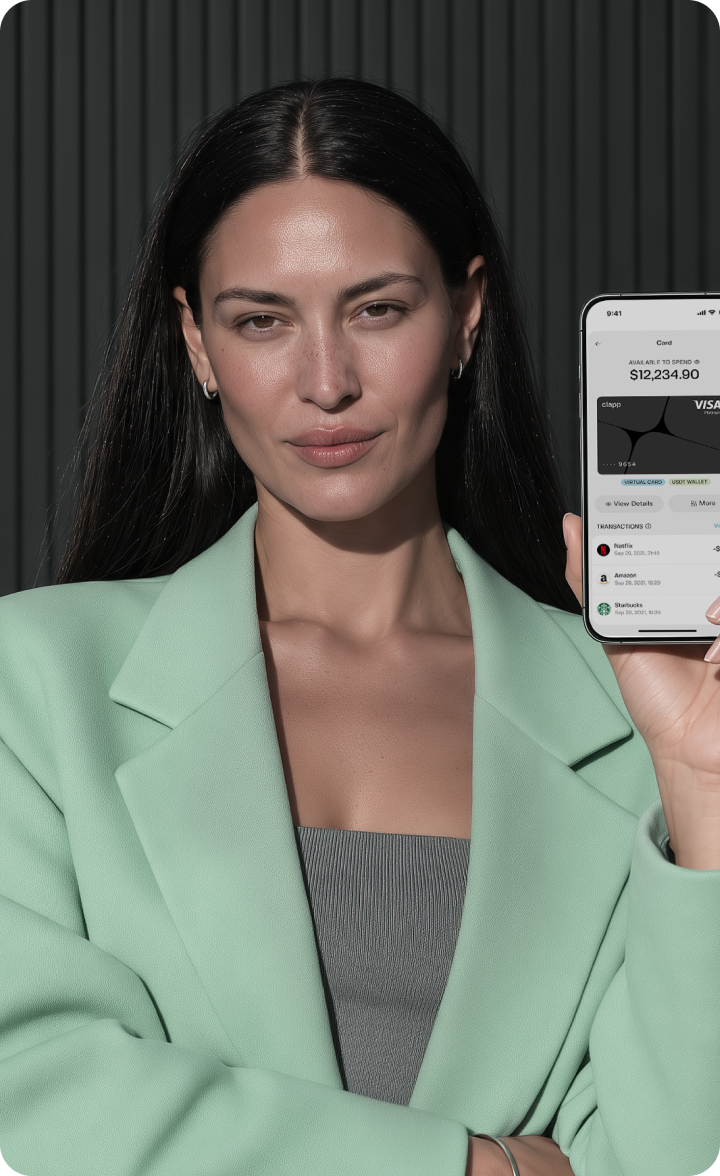
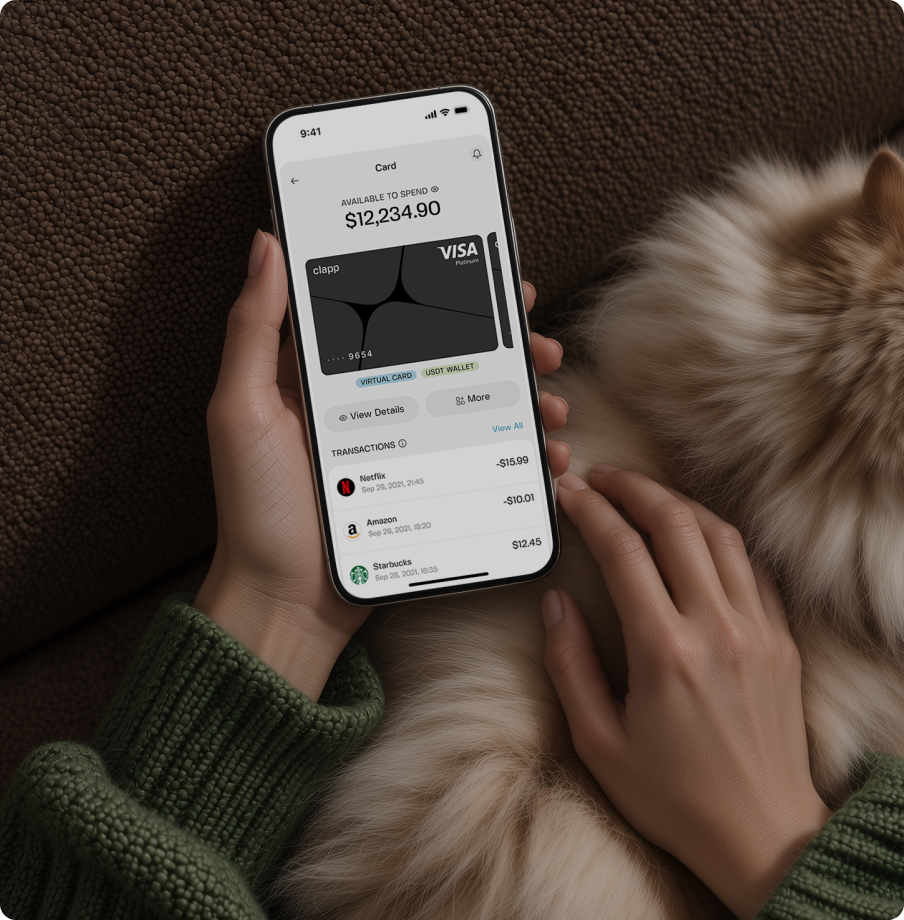
The Clapp Crypto Card is a virtual Visa that spends your USDT or USDC, costs a one-time $9.99 with no monthly fees and works with Apple Pay and Google Pay. Full details are on the card page.
Virtual Visa Platinum card
24/7 Support
Comparing cards and not sure about something? The Clapp team is ready to help at any time, day or night.
FAQ
What is the best crypto card?
It depends on how you plan to use it. Start with the fees you will actually pay, what the card spends, whether it is available where you live and whether it works with your phone. The checklist on this page walks through each point, with the Clapp Crypto Card answer next to it so you can compare it with any other card.
How do I compare crypto card fees?
Compare the full cost, not just the headline: issuance, monthly or annual fees, the fee or spread on converting crypto at checkout, and foreign exchange fees. The Clapp card costs a one-time $9.99 with no monthly fees, no conversion fee on purchases in US dollars and a 1% foreign exchange fee in other currencies.
What is the best crypto card in Europe?
For Europe, check first that the card is available to residents of your country, then compare fees, network and mobile wallets. The Clapp Crypto Card is available in supported European countries, runs on Visa and works with Apple Pay and Google Pay.
What about the best crypto card in the UK?
Use the same checklist: availability, full fees, what the card spends and mobile wallet support. The Clapp Crypto Card is available to UK residents: you apply in the Clapp web app and add the card to Apple Pay or Google Pay by entering its details in your phone's wallet.
Is a crypto debit card worth it?
It is worth it if you want to spend crypto you already hold without moving money to a bank first. A good card converts at checkout, shows every payment in real time and keeps fees predictable. If you rarely spend crypto, a card with a monthly fee is harder to justify than a one-time cost.
Should I choose a crypto card without KYC?
Regulated card issuers verify their customers, so a card that skips identity checks usually comes from an unclear issuer, with weaker protection if something goes wrong. The Clapp card requires a short identity check before it is issued.